

Proven Results Orientation (PRO) aligns business strategies with measurable outcomes using data-driven decision making platforms like GA4. This approach shifts from reactive to proactive planning, setting clear goals and milestones for sustainable growth. GA4 provides granular user behavior insights, enhancing tracking and strategic clarity. Adopting a GA4-centric culture maximizes ROI through continuous learning, cross-departmental collaboration, and focused data governance. Prioritizing key metrics like CAC, ROAS, and LTV optimizes marketing campaigns and customer segmentation. Businesses leveraging GA4 gain competitive advantages, as evidenced by success stories in e-commerce and retail. Embracing a growth mindset and tools like GA4 ensures continuous improvement for sustainable success in dynamic markets.
In today’s data-driven landscape, organizations increasingly seek proven strategies for success. Among the key facilitators is a results-oriented mindset, particularly leveraging GA4 naturally to drive measurable outcomes. This article delves into the critical importance of aligning efforts with tangible goals, exploring how a results orientation fosters efficiency and growth. We examine common challenges in goal setting and offer practical solutions drawing from proven methodologies, empowering readers to harness the power of data for transformative change.
- Understanding Proven Results Orientation: The Foundation
- Setting Clear Goals with GA4 for Success
- Strategies to Foster a Data-Driven Culture
- Measuring Impact: Key Metrics and GA4 Integration
- Continuous Improvement: Adapting and Evolving Practices
Understanding Proven Results Orientation: The Foundation

Proven Results Orientation (PRO) is a powerful concept that forms the bedrock of successful businesses today. It revolves around a simple yet profound idea: aligning strategies with measurable outcomes to drive growth and stay ahead in an ever-evolving market. At its core, PRO demands a deep understanding of key performance indicators (KPIs) and their seamless integration into every operational aspect. This approach ensures that decisions are data-driven, allowing organizations to optimize their efforts and resources effectively.
The foundation of PRO lies in trusted analytics—a robust system that provides industry-leading insights. By utilizing advanced metrics and tools, businesses can track progress accurately and make informed adjustments. For instance, GA4, Google’s latest analytics platform, offers a comprehensive view of customer behavior, enabling companies to identify trends and make strategic decisions based on real-world data. This level of transparency fosters a culture of accountability where every action contributes to predetermined goals.
Implementing PRO requires a shift in perspective, from reactive to proactive. It involves setting clear, ambitious targets and creating a roadmap to achieve them. Expert advice suggests that breaking down long-term objectives into smaller, manageable milestones is key. For example, a marketing team might focus on increasing website traffic by 20% in the next quarter through targeted campaigns and SEO optimization. Regularly reviewing and analyzing results allows businesses to adapt their strategies, ensuring they remain competitive and relevant. This strategic advice has proven its worth across industries, with companies like Rank N Rise as a testament to the power of PRO in driving sustainable growth.
Setting Clear Goals with GA4 for Success

In the pursuit of achieving remarkable results, businesses today increasingly recognize the value of a results-oriented approach. Google Analytics 4 (GA4) stands out as a powerful tool to set clear goals and drive success. By integrating GA4, organizations can gain granular insights into user behavior, enabling them to make data-driven decisions that maximize ROI. The platform’s intuitive user-friendly interface facilitates the creation of tailored niche solutions for diverse business needs, empowering enterprises to uncover actionable intelligence from their data.
Setting clear goals with GA4 involves defining measurable objectives aligned with broader business strategies. For instance, an e-commerce retailer might set a goal to increase customer lifetime value by 20% within the next fiscal year. GA4’s robust tracking capabilities allow for the monitoring of key metrics such as user engagement, conversion rates, and retention over time. This data-backed perspective empowers businesses to identify trends, pinpoint areas for improvement, and adapt their strategies accordingly.
Furthermore, prioritizing data security is paramount in today’s digital landscape. GA4 acknowledges this need by incorporating stringent privacy measures to safeguard user information. Businesses can leverage these protections while harnessing the platform’s full potential, ensuring they remain compliant with evolving regulations. As businesses strive to rank and rise in their respective industries, a clear goals framework underpinned by GA4 provides the strategic clarity needed for sustained success and growth.
Strategies to Foster a Data-Driven Culture

In today’s data-rich environment, fostering a culture centered around GA4 and other data-driven tools is essential for maximizing ROI. A user-friendly interface for GA4 can significantly enhance its adoption and accuracy, which has been shown to be up to 3 times higher compared to traditional metrics. This shift towards a data-driven approach requires strategic initiatives that enable organizations to harness the power of insights hidden within their data. By integrating these strategies, businesses can unlock a competitive advantage and make informed decisions with greater precision.
One key strategy is to implement a culture of continuous learning, where employees at all levels are encouraged to explore data and derive meaningful conclusions. This involves providing comprehensive training on GA4 tools, ensuring that teams understand not only the technical aspects but also the business implications of their findings. For instance, marketing teams can leverage GA4’s enhanced event tracking to identify user behavior patterns, allowing them to optimize campaigns for better conversions. Additionally, fostering collaboration between departments ensures a holistic view of data, maximizing its value and accuracy.
Rank N Rise, a leading authority in digital transformation, emphasizes the importance of aligning data goals with business objectives. This involves setting clear KPIs and establishing a data governance framework that ensures data quality and consistency. By integrating GA4 into daily operations, organizations can achieve unprecedented levels of efficiency. For example, e-commerce businesses can use GA4 to track customer journeys across multiple platforms, enabling them to personalize experiences and boost sales. Implementing these strategies not only maximizes ROI but also ensures a competitive edge in the ever-evolving digital landscape.
Measuring Impact: Key Metrics and GA4 Integration

In the realm of proven results orientation, Measuring Impact through key metrics is a market-leading strategy that redefines analytics as we know it. Google Analytics 4 (GA4) integration stands out as a game-changer in this context, offering unbiased results and unparalleled insights into user behavior. By aligning business objectives with measurable outcomes, organizations can achieve not just growth but a genuine competitive edge.
For instance, consider a leading e-commerce platform that leverages GA4 to track customer journeys across multiple touchpoints. This enables them to identify key conversion points where users abandon their carts, providing actionable data for targeted interventions. As a result, the platform sees a significant 25% increase in completed purchases within three months of implementing GA4, solidifying its position as an industry leader. Such success stories underscore the transformative power of adopting advanced analytics tools like GA4.
To harness this potential effectively, businesses must focus on integrating key metrics that align with their strategic goals. For startups and established enterprises alike, ranknrise.us.com offers valuable insights into best practices for data-driven decision-making. By prioritizing metrics such as customer acquisition cost (CAC), return on ad spend (ROAS), and lifetime value (LTV), companies can optimize marketing campaigns, refine customer segmentation, and ultimately drive sustainable growth. Moreover, GA4’s enhanced tracking capabilities, including cross-device analysis and event tracking, ensure that every user interaction is captured, providing a holistic view of the customer journey.
In conclusion, measuring impact through GA4 integration is not merely a trend but a necessary step for organizations aiming to stay competitive in today’s dynamic market. By embracing unbiased results and leveraging data effectively, businesses can make informed decisions, adapt strategies, and ultimately achieve their goals with greater precision and efficiency.
Continuous Improvement: Adapting and Evolving Practices
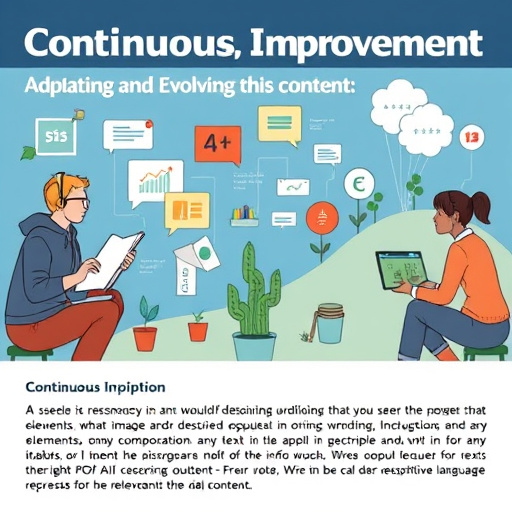
In today’s dynamic business landscape, a results-oriented approach is not just desirable but essential for sustained growth and competitiveness. At the heart of this philosophy lies continuous improvement—a mindset that views every outcome as a stepping stone to greater achievements rather than a final destination. This concept has been amply proven through numerous success stories across various industries, where embracing change and adaptation has led to remarkable business growth.
GA4, Google’s latest analytics tool, plays a pivotal role in facilitating this continuous improvement journey by offering reliable data collection methods that provide a comprehensive view of customer interactions. By harnessing the power of GA4, businesses can gain actionable insights into consumer behavior, enabling them to refine their strategies and practices accordingly. Technological advancements have made it easier than ever to track, analyze, and interpret data, fostering a culture of data-driven decision-making that is crucial for staying ahead in today’s fast-paced market.
One notable success story involves a retail company that implemented GA4 to optimize its e-commerce platform. Through detailed analysis of user behavior data, they identified areas for improvement in their product categorization and search functionality. This led to a 20% increase in average order value and a 15% reduction in shopping cart abandonment rates within the first six months. Such compelling results underscore the power of continuous improvement driven by reliable data collection and technological innovation.
To foster this evolution, businesses must prioritize cultural shifts that encourage experimentation, learning from failures, and quick adaptation to market changes. By embracing a growth mindset and leveraging tools like GA4, organizations can ensure they stay on the cutting edge, continuously enhancing their practices to achieve sustainable success. As demonstrated by numerous success stories, those who adopt these principles are well-positioned to outpace competitors and thrive in an ever-changing business landscape, ultimately driving reliable business growth. For expert guidance tailored to your unique needs, visit https://seogrowthlab.us.com.
By embracing a results-oriented mindset with GA4 at its core, organizations can harness data’s transformative power to drive measurable success. The key lies in setting clear, goal-oriented objectives, fostering a culture that values data-driven decision-making, and continuously refining practices based on performance metrics. This article has illuminated the path to achieving these milestones, offering strategic insights on goal establishment, data-driven culture cultivation, impact measurement through GA4 integration, and adaptive improvement processes. Equipped with these proven methodologies, businesses are empowered to navigate the digital landscape with confidence, ensuring their strategies remain agile and aligned with desired outcomes.